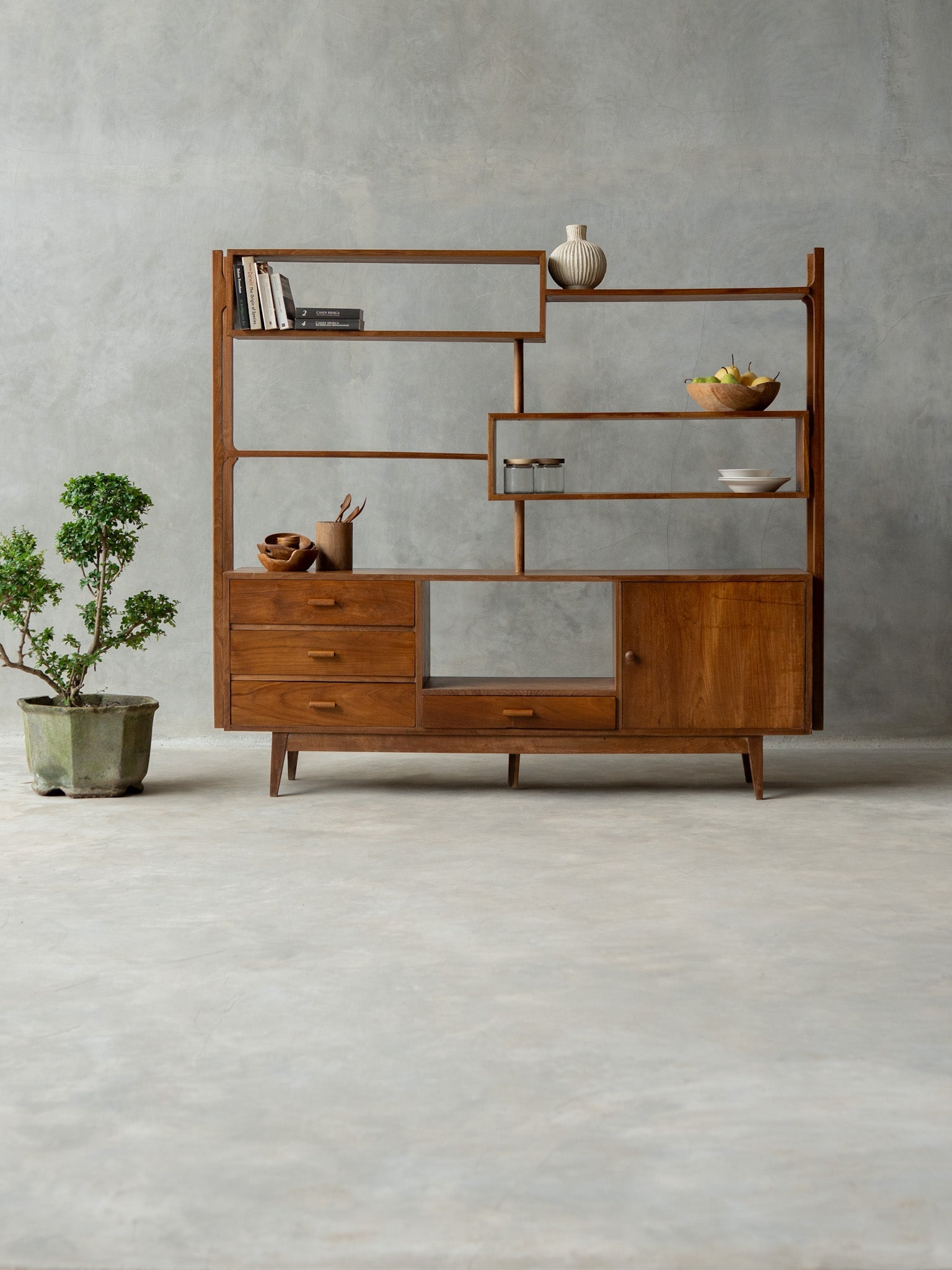
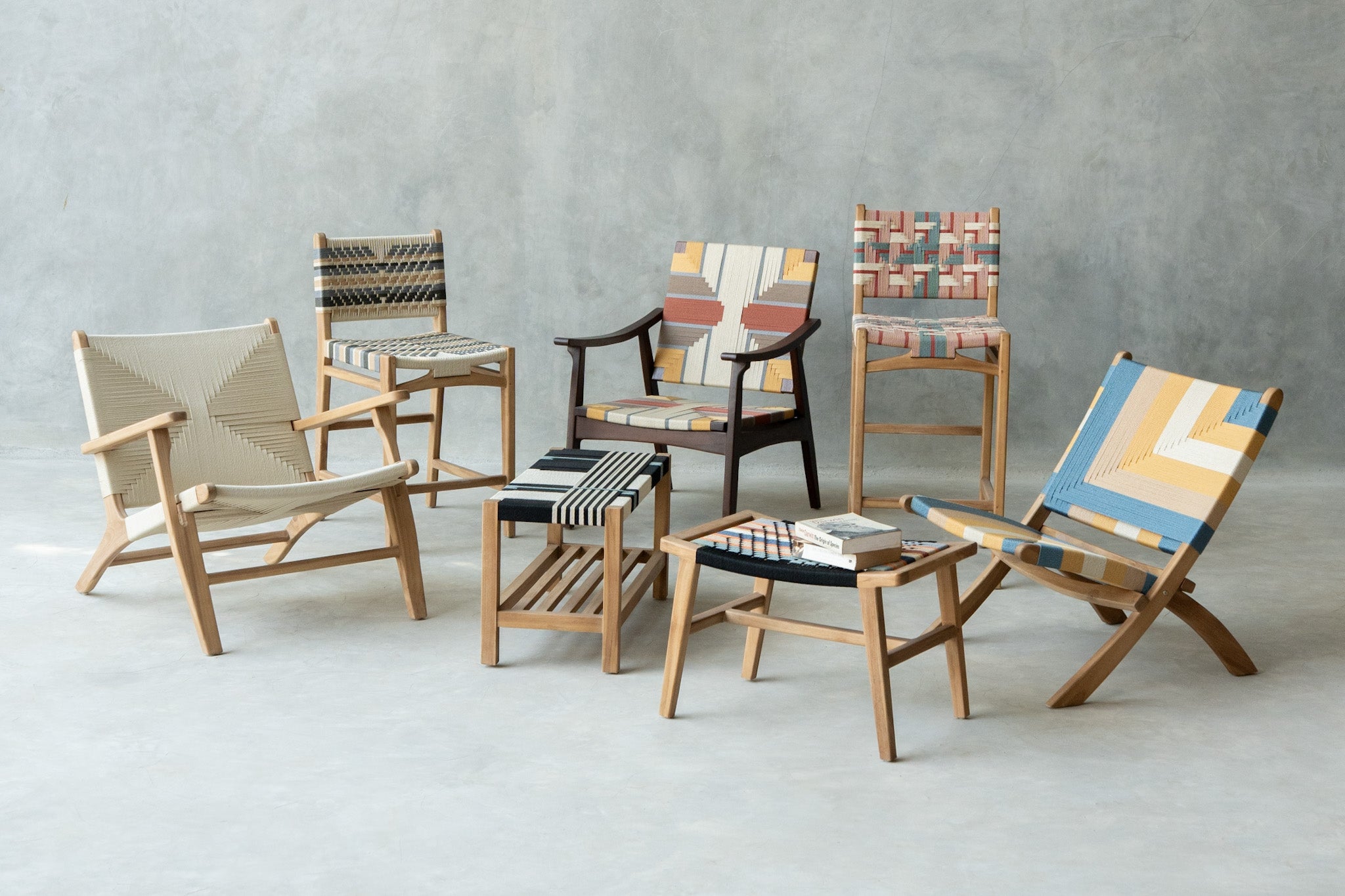


Reclaimed wood is timber that has been recovered from older structures and repurposed into new furniture and objects. Instead of cutting down fresh trees, reclaimed wood is salvaged from barns, factories, warehouses, shipyards, railways, and historic buildings that are no longer in use.
At FarOffObjects, reclaimed wood is not simply a sustainable material choice — it is a design philosophy. Through our ReclaimIt collection, we transform aged timber into durable, character-rich furniture that preserves both history and integrity.
How Is Reclaimed Wood Sourced?
Reclaimed wood is carefully dismantled from existing structures that have reached the end of their lifecycle. These may include:
-
Old barns and farmhouses
-
Industrial warehouses and mills
-
Railway sleepers
-
Shipyards and docks
-
Vintage residential buildings
Once recovered, the timber is:
-
Cleaned and de-nailed
-
Kiln-dried (when necessary)
-
Stabilized for structural integrity
-
Crafted into new furniture pieces
This process ensures reclaimed wood furniture remains strong, safe, and long-lasting.
Benefits of Reclaimed Wood Furniture
1. Sustainability & Environmental Impact
One of the main benefits of reclaimed wood is sustainability. By reusing existing timber, reclaimed wood furniture reduces:
-
Demand for newly harvested trees
-
Deforestation
-
Landfill waste
-
Carbon footprint associated with fresh logging
Reclaimed wood supports eco-friendly furniture production without compromising quality or aesthetics.
2. Durability & Strength
Many reclaimed wood pieces come from older-growth timber, which tends to be denser and more stable than newly cut wood. Having already expanded and contracted over decades, reclaimed wood is often more resistant to warping.
This makes it ideal for:
-
Reclaimed wood dining tables
-
Reclaimed wood cabinets
-
Reclaimed wood coffee tables
-
Solid wood benches
3. Unique Character & Natural Variation
No two reclaimed wood pieces are identical. Each board carries:
-
Natural grain variation
-
Nail marks or weathered textures
-
Tonal shifts from aging
-
Surface irregularities
These characteristics are not defects — they are part of the wood’s history. Reclaimed wood furniture offers individuality that mass-produced pieces cannot replicate.
4. Timeless Aesthetic
Reclaimed wood works seamlessly across interior styles:
-
Rustic interiors
-
Modern minimal spaces
-
Industrial design
-
Japandi-inspired homes
-
Luxury heritage spaces
Its aged surface and organic texture bring warmth and authenticity into any setting.
ReclaimIt: Reclaimed Wood at FarOffObjects
At FarOffObjects, reclaimed wood is expressed through the ReclaimIt collection — a line dedicated to preserving material history.
We intentionally retain visible marks of the wood’s past life. Instead of sanding away every imperfection, we allow the material’s natural scars, tonal differences, and grain patterns to remain part of the design.
Every ReclaimIt piece is inherently one-of-one. While forms are structured and refined, the timber’s character ensures that no two products are ever identical.
By combining sustainable sourcing with thoughtful craftsmanship, ReclaimIt offers reclaimed wood furniture that is:
-
Environmentally responsible
-
Structurally durable
-
Rich in character
-
Designed to endure
What to Expect When Buying Reclaimed Wood Furniture
When purchasing reclaimed wood furniture, it is important to understand that:
-
Surface variations are natural
-
Minor imperfections are part of the material’s identity
-
Color tones may vary slightly from piece to piece
-
Over time, the wood may continue to evolve and deepen in patina
These qualities define reclaimed wood. They are not manufacturing defects — they are signs of authenticity.
Why Reclaimed Wood Matters Today
As sustainable design becomes increasingly important, reclaimed wood offers a practical and meaningful solution. It extends the lifecycle of valuable resources while creating furniture with depth and distinction.
At FarOffObjects, we believe materials should not be discarded when they can be reimagined. Reclaimed wood proves that longevity and sustainability can coexist with refined design.
Through the ReclaimIt collection, we continue that story — giving timber a second life while honoring the one it has already lived.
Frequently Asked Questions About Reclaimed Wood
What is reclaimed wood?
Reclaimed wood is timber that has been salvaged from old buildings, barns, factories, shipyards, or other structures and repurposed into new furniture or architectural elements. Instead of being newly harvested, reclaimed wood is recovered, cleaned, and restored for reuse.
Is reclaimed wood furniture durable?
Yes. Reclaimed wood furniture is often highly durable because much of the timber comes from older-growth trees, which tend to have denser grain and greater structural stability. Having already aged and adapted to environmental changes, reclaimed wood can be strong and resilient when properly crafted.
What are the benefits of reclaimed wood furniture?
The main benefits of reclaimed wood furniture include:
-
Sustainability and reduced environmental impact
-
Unique character and visible history
-
Strong, mature timber
-
One-of-one variations
-
Long-term durability
Reclaimed wood combines ecological responsibility with distinctive aesthetic value.
Is reclaimed wood sustainable?
Reclaimed wood is considered environmentally friendly because it reduces the demand for newly harvested timber and prevents usable wood from ending up in landfills. By extending the life cycle of existing materials, reclaimed wood supports sustainable furniture production.
Does reclaimed wood have imperfections?
Yes — and that is part of its appeal. Reclaimed wood may feature nail holes, weather marks, tonal variations, or minor surface irregularities. These are not defects; they are signs of the wood’s previous life and contribute to its authenticity and character.
Is reclaimed wood safe to use for furniture?
When properly sourced and treated, reclaimed wood is safe for furniture use. The timber is typically cleaned, de-nailed, kiln-dried (if necessary), and stabilized before being crafted into furniture pieces.
How is reclaimed wood different from new wood?
New wood is freshly harvested and milled, while reclaimed wood has already been used in previous structures. Reclaimed wood often has:
-
Tighter grain from older-growth trees
-
Aged color and patina
-
Increased dimensional stability
Its history and maturity distinguish it from newly cut timber.
Does reclaimed wood require special maintenance?
Reclaimed wood furniture should be cared for similarly to other solid wood pieces:
-
Clean with a soft cloth
-
Avoid excessive moisture
-
Use appropriate wood conditioners if needed
Over time, reclaimed wood may continue to develop patina, which enhances its character.
Why is reclaimed wood furniture often more expensive?
Reclaimed wood furniture can be more expensive due to:
-
Labor-intensive sourcing and preparation
-
Limited availability of high-quality reclaimed timber
-
Individual craftsmanship required
-
One-of-one uniqueness
The value lies in both sustainability and material integrity.
How does FarOffObjects use reclaimed wood?
At FarOffObjects, reclaimed wood is used in the ReclaimIt collection, where the material’s history is preserved rather than erased. Visible marks, grain variations, and tonal differences are intentionally retained, ensuring that every piece is inherently unique and responsibly crafted.